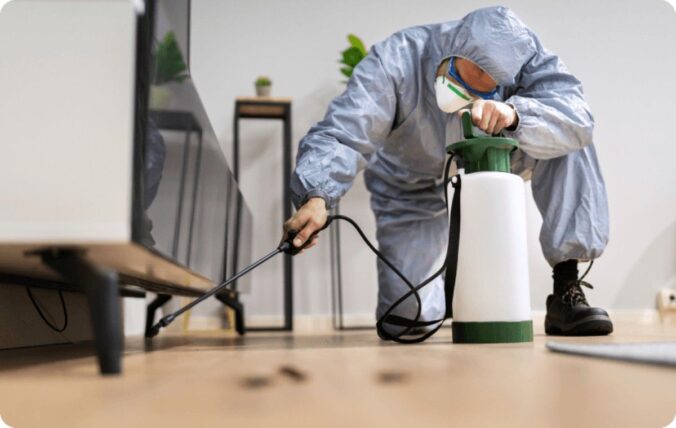
Why Is Comprehensive Pest and Termite Treatment Indispensable for Health Protection and Property Preservation?
Comprehensive pest and termite treatment protects your family’s health whilst preserving your property’s structural integrity and market value. Without proper intervention, infestations escalate rapidly, transforming minor nuisances into severe health hazards and costly structural repairs.
The importance of comprehensive pest treatment extends far beyond simply eliminating visible pests. Professional services identify hidden colonies, treat root causes, and implement preventive strategies that standard DIY methods cannot match. A single termite colony can consume several kilograms of wood monthly, whilst rodent droppings contaminate surfaces with dangerous pathogens.
Understanding the Need for Comprehensive Pest and Termite Treatment
To understand why comprehensive pest and termite treatment is necessary, we need to look at several key factors:
- Health risks: Disease-carrying pests like rodents and cockroaches pose a threat to human health.
- Structural damage: Wood-boring insects and gnawing rodents can cause significant harm to buildings.
- Professional inspection protocols: Trained experts follow specific procedures to uncover the true extent of infestations.
- Maintenance programmes: Regularly scheduled activities help prevent pests from returning.
- Food safety measures: Steps are taken to ensure that food remains uncontaminated by pests.
- Preventive strategies: Long-lasting barriers are put in place to keep pests away.
Property owners who invest in comprehensive treatment benefit from reduced medical expenses, avoided structural repairs, and maintained property values. The cost of professional pest management represents a fraction of potential damages from unchecked infestations, making it an essential investment in both health protection and property preservation.
What Health Risks Do Pests Like Rodents and Cockroaches Pose?
Rodents and cockroaches carry numerous pathogens that directly threaten human health through contamination of surfaces, food, and air. These health risks pests introduce range from mild allergic reactions to severe, potentially fatal diseases that require immediate medical intervention.
Disease Transmission from Common Household Pests
Rodents are known to spread over 35 diseases that can be transmitted to humans through direct contact with their droppings, urine, saliva, or bites. One such disease is Hantavirus pulmonary syndrome, which is a potentially deadly respiratory illness that occurs when humans inhale dust contaminated with rodent droppings. Another disease is leptospirosis, which enters the body through cuts or mucous membranes after coming into contact with water or soil contaminated by infected rodent urine. This can lead to symptoms such as high fever, kidney damage, and liver failure.
Cockroaches also carry harmful pathogens on their bodies and in their waste. These insects often crawl through dirty places like sewers and rubbish bins before making their way onto kitchen surfaces and food preparation areas. They can transmit salmonella, which causes food poisoning, and E. coli bacteria, leading to severe stomach problems.
The Link Between Cockroach Allergies and Respiratory Problems
Cockroach allergies develop from exposure to proteins found in cockroach saliva, droppings, and decomposing body parts. These allergens become airborne as microscopic particles that people inhale, triggering immune system responses. Studies show that cockroach allergens rank amongst the most common triggers for asthma attacks, particularly in urban environments with high infestation rates.
Children living in homes with cockroach infestations face significantly elevated risks of developing asthma or experiencing severe asthma symptoms. The allergens cause inflammation in airways, leading to:
- Persistent coughing and wheezing
- Chest tightness and shortness of breath
- Sleep disruption due to breathing difficulties
- Increased frequency of emergency hospital visits
Individuals with existing respiratory conditions experience worsened symptoms when exposed to these allergens, even in relatively small quantities.
Other Resources : Cockroach Allergen Exposure and Risk of Asthma
How Do Pests Cause Structural Damage to Properties?
Pests create serious structural damage by gnawing through essential building materials that compromise structural integrity. Rodents possess continuously growing teeth that drive them to chew constantly on wood beams, wall insulation, and plastic piping to keep their incisors filed down, creating entry points for moisture and weakening load-bearing structures.
The destruction extends beyond visible surfaces into hidden areas where pests operate undetected for months. Rats and mice tunnel through wall cavities, shredding insulation that reduces energy efficiency and creates nesting materials. Their relentless chewing habits target electrical wiring, stripping away protective plastic coating to expose live copper wires.
Fire Hazards from Electrical Damage
Damaged electrical wiring represents one of the most dangerous property risks associated with pest infestations. When rodents gnaw through wire insulation, they create exposed conductors that can spark and ignite surrounding flammable materials like insulation, timber framing, or stored items. Insurance claims frequently cite rodent damage to electrical systems as the cause of residential and commercial fires.
The hidden nature of this damage makes it particularly hazardous—property owners often remain unaware until smoke detectors activate or visible signs of fire appear. Electrical shorts caused by pest damage can also trip circuit breakers repeatedly, damage appliances, and create power surges throughout the building.
The Devastating Impact of Termite Damage
Termite damage stands as the most financially catastrophic form of pest-related destruction, costing Australian property owners billions of dollars annually. These silent destroyers consume cellulose in wood 24 hours a day, hollowing out structural timbers, floor joists, and roof supports while leaving only a thin veneer that masks the extensive internal damage.
Subterranean termites build mud tubes along foundation walls to access above-ground timber, working their way through:
- Floor joists and support beams
- Wall studs and window frames
- Roof trusses and eaves
- Skirting boards and door frames
- Built-in cabinetry and furniture
A mature termite colony containing millions of workers can consume approximately 13 pounds of wood per year. The damage often goes unnoticed.
Why Is a Detailed Inspection Crucial in Pest and Termite Treatment?
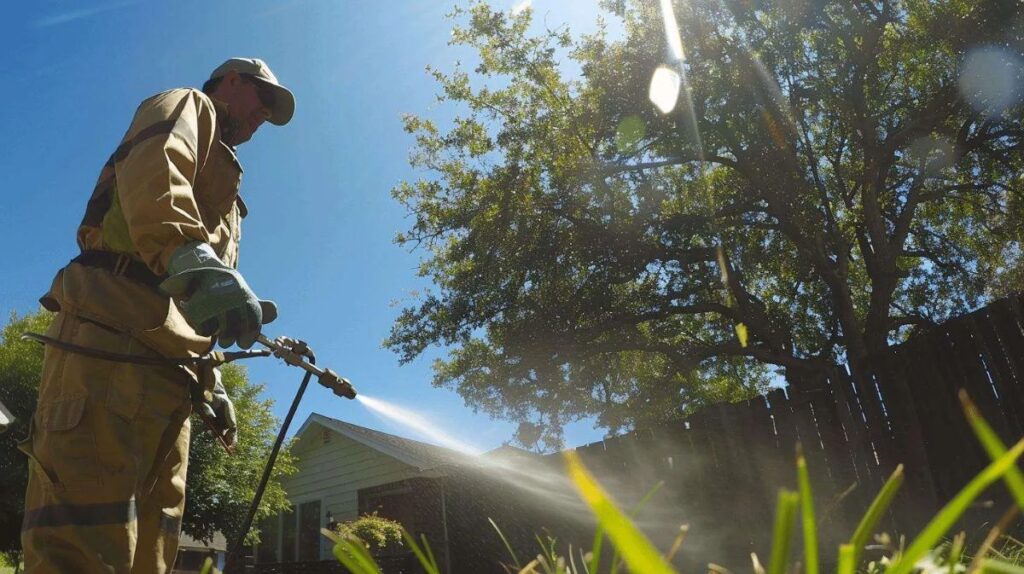
A detailed inspection is essential for effective pest and termite treatment. It uncovers the full extent and specific locations of infestations that may not be apparent to untrained individuals. Without a proper assessment, treatments only target visible signs while hidden colonies continue to grow behind walls, under floors, or in roof spaces.
Trained professionals bring specialised expertise to pest inspection importance. These experts recognise subtle indicators that homeowners typically overlook—faint trails of termite mud tubes, barely noticeable droppings in concealed corners, or minor structural weaknesses signalling extensive damage. Their experience allows them to distinguish between different pest species, each requiring unique treatment approaches. A cockroach infestation demands vastly different solutions compared to a termite colony, and misidentification leads to wasted resources and continued property deterioration.
The Science Behind Professional Infestation Identification
Professional pest reports document findings with precision that guides targeted treatment strategies. Inspectors use thermal imaging cameras to detect heat signatures from active termite colonies within walls. Moisture metres identify damp areas where pests congregate. Borescopes allow visual examination of wall cavities and subfloor spaces without destructive investigation.
These technological tools complement hands-on inspection techniques:
- Tapping timber to detect hollow sounds indicating termite damage
- Examining foundation perimeters for entry points and moisture issues
- Checking roof voids where rodents commonly nest
- Inspecting plumbing areas prone to cockroach activity
- Assessing garden perimeters for ant colonies near structures
Root Cause Treatment Versus Surface Solutions
Thorough inspections enable pest control professionals to identify why infestations occur, not just where pests currently reside. A cockroach problem might stem from a leaking pipe creating ideal moisture conditions. Rodent entry could result from deteriorated weatherstripping or gaps around utility penetrations. Termites often exploit poor drainage causing timber moisture levels to rise above safe thresholds.
Understanding the Need for Comprehensive Pest and Termite Treatment becomes clear when comparing inspection-based approaches to superficial fixes. Spraying visible cockroaches provides temporary relief but fails when the underlying moisture problem persists. Click here to get more about protecting your home: what is residential pest control Sydney?
What Are the Benefits of Regular Pest Control Maintenance Programmes?
Pest control maintenance programmes create a protective barrier that works year-round, preventing infestations before they establish themselves on your property. These scheduled services address pest activity at different life stages, catching problems early when they’re easiest to manage.
How Often Should You Schedule Pest Control Visits?
The frequency of visits depends on your property’s risk factors and pest pressure:
- Monthly programmes suit high-risk environments like restaurants, food processing facilities, or properties with persistent pest issues
- Semi-annual treatments work well for moderate-risk homes and businesses in suburban areas with seasonal pest activity
- Annual inspections provide baseline protection for low-risk properties in areas with minimal pest pressure
Properties near bushland, water sources, or agricultural areas typically require more frequent attention than those in urban centres with less pest habitat nearby.
Why Does Regular Treatment Prevent Re-Infestation?
Re-infestation prevention relies on consistent monitoring and treatment before pest populations rebuild. A single treatment eliminates existing pests but doesn’t stop new ones from entering your property. Scheduled visits create overlapping protection periods that interrupt breeding cycles.
Pests reproduce rapidly—a single cockroach pair can produce 400,000 offspring in one year. Regular treatments target eggs, larvae, and adults at vulnerable points in their development, breaking the reproductive chain before populations explode.
What Makes Maintenance Plans More Effective Than Reactive Treatments?
Ongoing pest prevention through maintenance plans costs significantly less than emergency treatments for established infestations. Technicians become familiar with your property’s unique vulnerabilities, adjusting strategies based on seasonal patterns and previous findings.
Maintenance programmes include:
- Exterior perimeter treatments that create defensive barriers
- Interior monitoring stations that detect early warning signs
- Roof void inspections for rodent and termite activity
- Documentation tracking pest trends over time
- Seasonal adjustments addressing specific pest behaviours
Properties enrolled in maintenance programmes experience 85% fewer emergency callouts compared to those relying on reactive treatments. The predictable scheduling also allows property managers to budget accurately for pest control expenses rather than facing unexpected costs from severe infestations.
How Do Professional Services Safeguard Food Safety from Pest Contamination?
Food safety pests pose immediate threats to any environment where food is stored, prepared, or served. Cockroaches, rodents, ants, and flies carry pathogens on their bodies and through their droppings, contaminating surfaces, packaging, and food products themselves. A single mouse can produce up to 75 droppings daily, spreading bacteria like Salmonella and E. coli throughout pantries and kitchens.
Professional pest control services implement multi-layered strategies to protect food storage and service areas from contamination. These specialists understand that pantry contamination prevention requires more than reactive treatments—it demands systematic environmental modifications and ongoing vigilance.
Critical Entry Point Management
Pests exploit surprisingly small gaps to access food sources. Mice can squeeze through openings as narrow as 6mm, whilst cockroaches flatten their bodies to slip through cracks barely visible to the naked eye. Professional services conduct thorough perimeter inspections to identify and seal these vulnerabilities:
- Door sweeps and weather stripping on exterior doors
- Caulking and expanding foam for gaps around pipes and utility lines
- Wire mesh screens over vents and drainage openings
- Gap repairs beneath skirting boards and around cupboard bases
Strategic Food Storage Protocols
Proper storage practices create barriers between pests and potential food sources. Professionals advise facilities and homeowners to implement these protective measures:
- Transfer dry goods from cardboard or paper packaging into airtight containers made of glass, metal, or heavy-duty plastic
- Store items on shelving units raised at least 15cm off the floor to allow inspection and cleaning
- Implement first-in, first-out rotation systems to prevent forgotten items from attracting pests
- Keep pet food in sealed containers rather than leaving bags open
Water Source Elimination
Standing water and moisture attract pests seeking hydration and breeding grounds. Cockroaches, in particular, can survive weeks without food but only days without water. Professional services identify and address moisture issues that support pest populations:
- Repairing leaking pipes, taps, and appliances
- Installing dehumidifiers in damp areas
- Ensuring proper drainage systems are in place
By actively managing entry points, implementing strategic food storage protocols, and eliminating water sources, professional pest control services play a crucial role in safeguarding food safety from pest contamination.
What Preventive Measures Are Essential for Effective Pest Management?
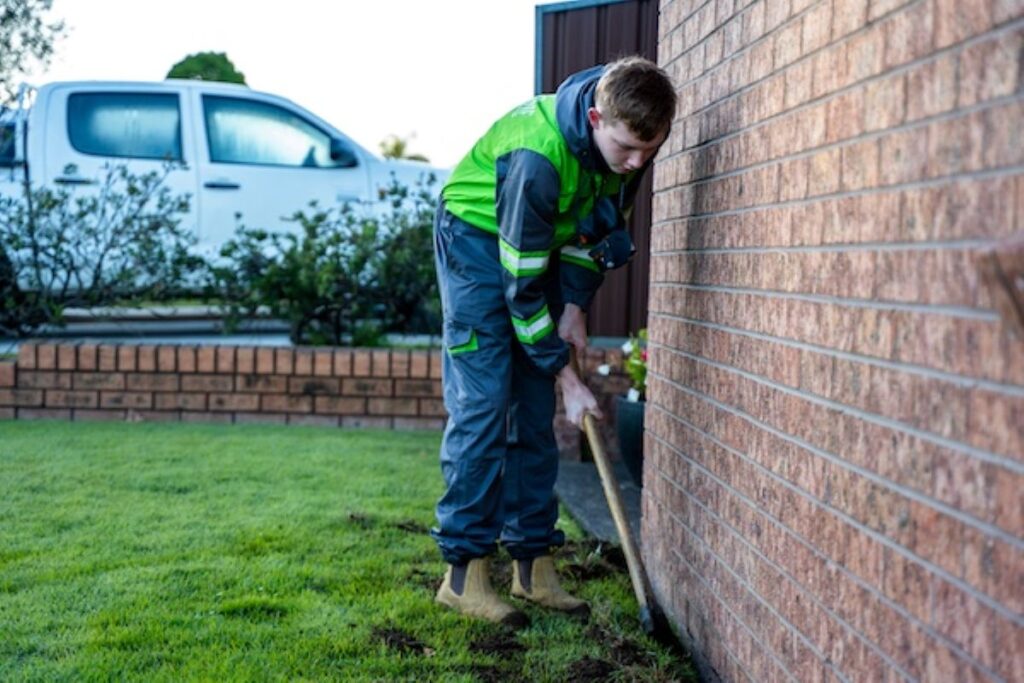
Effective pest management relies on a multi-layered approach that addresses potential vulnerabilities before infestations occur. Understanding the need for comprehensive pest and termite treatment begins with implementing proven pest prevention methods that create inhospitable environments for unwanted invaders.
Sealing Entry Points
Pests exploit even the smallest openings to access your property. Gaps around pipes, cracks in foundations, and holes in exterior walls serve as highways for rodents, cockroaches, and ants seeking shelter and food.
Critical areas requiring attention include:
- Window and door frames where weatherstripping has deteriorated
- Utility line penetrations through walls and floors
- Foundation cracks wider than 1/8 inch
- Roof vents and chimney openings without proper screening
- Gaps beneath doors exceeding 6 millimetres
Silicone-based caulk works effectively for smaller cracks, whilst expanding foam fills larger voids. Steel wool combined with caulk prevents rodents from chewing through sealed areas. Copper mesh provides durable protection around pipes where flexibility matters.
Strategic Use of Repellents
Repellents create chemical or natural barriers that deter pests from entering treated zones. Professional-grade products contain active ingredients like pyrethroids or permethrin that remain effective for extended periods.
Natural alternatives include peppermint oil for mice, diatomaceous earth for crawling insects, and cedar oil for various pests. These options suit households preferring non-toxic solutions, though they require more frequent reapplication than synthetic products.
Perimeter treatments around building exteriors establish protective zones. Applying repellents along baseboards, behind appliances, and in attics targets common pest pathways. Granular formulations work well outdoors, whilst sprays and gels suit indoor applications.
Maintaining Cleanliness Standards
Pests thrive in environments offering easy access to food and shelter. Crumbs on countertops, grease splatter behind cookers, and food debris in bins attract cockroaches and ants within hours.
Daily cleaning routines should incorporate:
- Wiping down surfaces immediately after food preparation
- Sweeping and vacuuming regularly to eliminate crumbs
- Keeping rubbish bins sealed tightly and disposing of waste frequently
- Storing food in airtight containers to prevent odours from luring pests
Conclusion
Understanding the need for comprehensive pest and termite treatment transforms how you protect what matters most. The importance of comprehensive pest treatment holds extends far beyond eliminating visible pests—it creates a defensive barrier around your health, property value, and daily comfort.
Waiting until an infestation becomes obvious often means the damage has already begun. Termites silently weaken structural timber whilst rodents gnaw through electrical wiring behind your walls. Cockroaches contaminate food preparation surfaces with pathogens that trigger respiratory conditions in vulnerable family members.
A proactive approach delivers measurable advantages:
- Health protection through elimination of disease vectors and allergen sources
- Financial savings by preventing costly structural repairs and property devaluation
- Peace of mind knowing trained professionals monitor your premises regularly
- Food safety maintained through systematic contamination prevention
- Long-term security via maintenance programmes that stop re-infestation
Professional pest control isn’t an expense—it’s an investment in your property’s future and your family’s wellbeing. The cost of comprehensive treatment pales against potential medical bills, structural repairs, or the stress of discovering an advanced infestation.
Take action before pests take control. Schedule a detailed inspection with qualified professionals who understand local pest behaviour patterns and treatment methodologies. Whether you choose annual, semi-annual, or monthly maintenance, consistent vigilance keeps your environment safe and pest-free.
Your home or business deserves protection that addresses root causes rather than symptoms. Prioritise comprehensive pest and termite treatment today—because prevention always costs less than cure, and your peace of mind is priceless.
FAQs (Frequently Asked Questions)
Why is comprehensive pest and termite treatment essential for health protection and property preservation?
Comprehensive pest and termite treatment is vital because it safeguards your health by preventing diseases carried by pests like rodents and cockroaches, and preserves property value by addressing structural damages caused by termites and other pests. It ensures a proactive approach to maintaining a safe and secure living environment.
What health risks do pests such as rodents and cockroaches pose?
Rodents can spread bacterial infections, while cockroaches are known to trigger allergies and asthma. Both pests carry various diseases that can compromise human health, making their control crucial in preventing illness and allergic reactions.
How do pests cause structural damage to properties?
Pests like termites chew through wood, insulation, and electrical wiring, leading to significant structural damage. Damaged wiring from pests can also create fire hazards. Termites alone account for billions in damages due to their destructive impact on property integrity.
Why is a detailed inspection important in pest and termite treatment?
A detailed inspection by trained professionals identifies the extent of infestation accurately. This allows for effective treatment targeting the root causes rather than superficial fixes, ensuring long-term protection against pests.
What are the benefits of regular pest control maintenance programs?
Regular maintenance programs, whether annual, semi-annual, or monthly, help prevent re-infestation by providing continuous protection. These ongoing treatments ensure that pest populations remain under control, safeguarding your health and property consistently.
How do professional services help safeguard food safety from pest contamination?
Professional services prevent pests from invading food storage and service areas by sealing entry points, promoting proper food storage practices, and eliminating standing water sources. These measures effectively reduce the risk of pantry contamination caused by pests.