What is Residential Pest Control in Sydney and Why is it Important for Homeowners?
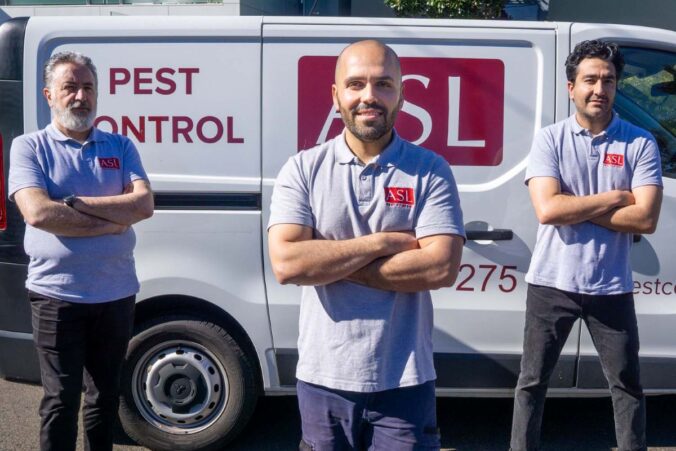
Residential Pest Control Sydney refers to professional services designed to protect homes from unwanted pests through thorough inspection, effective treatment, and long-term prevention strategies. Licensed technicians accurately identify pest issues and apply targeted solutions to eliminate infestations while safeguarding your property and household.
Sydney’s warm, humid climate creates ideal breeding conditions for a wide range of pest species. Combined with the city’s dense urban environment, pests have easy access to food sources and shelter. Without reliable residential pest control Sydney, infestations can compromise your home’s structural integrity, contaminate food supplies, and pose serious health risks to your family.
Why Home Protection Matters
Pests carry diseases and allergens that threaten household health. Cockroaches trigger asthma and allergies, whilst rodents spread harmful bacteria through their droppings. Termites silently destroy wooden structures, causing thousands of pounds in repair costs. Professional home protection addresses these threats before they escalate into costly emergencies.
Common Pests in Sydney’s Environment
Sydney homeowners regularly encounter:
- Ants: Kitchen ants and Argentine ants invade pantries seeking food
- Cockroaches: German, American, and Australian species thrive in humid conditions
- Spiders: Funnel-webs and redbacks pose venomous threats
- Rodents: Mice and rats contaminate living spaces
- Other invaders: Bed bugs, fleas, silverfish, wasps, bees, termites, crickets, and moths
The region’s consistent temperatures allow many pest species to remain active year-round. This perpetual activity cycle means homeowners need vigilant, ongoing protection rather than one-off treatments. Professional services adapt to seasonal variations in pest behaviour, ensuring comprehensive defence throughout the year.
What Are the Most Common Pests Found in Sydney Homes?
Sydney homes face invasion from numerous pest species adapted to the region’s warm, humid conditions and urban landscape. The most frequently encountered pests include various ant species, multiple cockroach types, dangerous spiders, persistent rodents, and destructive termites, alongside secondary invaders like bed bugs and silverfish.
Ants: Kitchen Invaders and Garden Dwellers
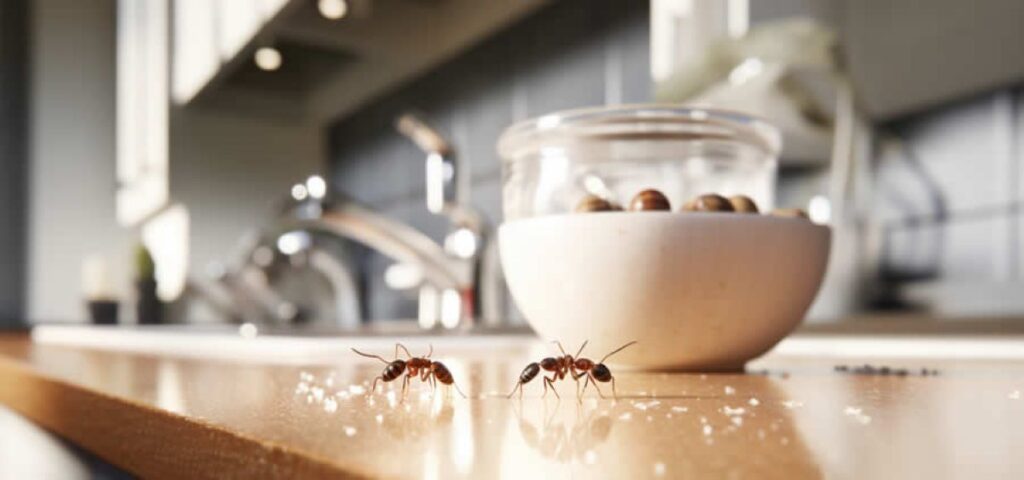
Kitchen ants (also known as black house ants) represent the most common ant problem in Sydney residences. These tiny black insects measure 2-3mm in length and form trails from outdoor nests directly into kitchens, pantries, and food storage areas. They’re attracted to sugary substances and crumbs, often appearing in large numbers within hours of detecting a food source.
Argentine ants pose a more aggressive threat to Sydney properties. These light to dark brown ants form super-colonies with multiple queens, making them exceptionally difficult to eliminate without professional intervention. They displace native ant species and can establish nests both indoors and outdoors, creating persistent infestations that require targeted treatment strategies.
Cockroaches: Resilient Household Pests
German cockroaches thrive in Sydney’s residential kitchens and bathrooms. These small, light brown insects with two distinctive dark stripes behind their heads reproduce rapidly, with females producing up to 40 eggs at a time. They prefer warm, humid environments near food and water sources, making them particularly problematic in apartment buildings where they spread between units through shared plumbing.
Australian cockroaches and their American counterparts represent larger species that commonly infest Sydney homes. Australian cockroaches display distinctive yellow markings on their thorax and prefer outdoor habitats but frequently enter homes seeking food. American cockroaches, despite their name, are widespread in Sydney and can grow up to 40mm long, often inhabiting roof voids, subfloors, and drainage systems.
Spiders: From Harmless to Deadly
Sydney’s spider population ranges from nuisance species to potentially lethal varieties. House spiders create unsightly webs in corners, ceilings, and window frames but pose minimal threat to residents. These common arachnids actually provide natural pest control by catching other insects.
However, caution is necessary as certain spider species like the redback spider or funnel-web spider can deliver venomous bites requiring medical attention. While encounters with these dangerous spiders are relatively rare indoors due to their preference for secluded areas outside or under structures such as rocks or logs; it’s important for homeowners to remain vigilant when dealing with potential infestations.
Rodents: Silent Destroyers of Property
Rats (both black rats & brown rats) along with mice (house mouse) are notorious pests found throughout Sydney homes. These nocturnal creatures often go unnoticed until significant damage occurs – chewed wires causing electrical hazards or contaminated food supplies leading health risks.
Rodents possess strong gnawing abilities allowing them access into buildings through small openings; once inside they breed quickly posing threats not only structurally but also hygienically if left unchecked.
Termites: The Hidden Menace
Termites are perhaps one of the most destructive pests that can invade any home including those in Sydney. Often referred to as “silent destroyers,” these wood-eating insects cause extensive damage before any signs become apparent.
It’s crucial for homeowners in Sydney area to conduct regular inspections especially during warmer months when termite activity peaks; early detection plays a vital role in preventing costly repairs associated with termite infestations.
Secondary Invaders: Bed Bugs & Silverfish
In addition to primary pests mentioned above there exist secondary invaders such as bed bugs & silverfish which may also find their way into residences across sydney.
Bed bugs typically hitchhike onto luggage or used furniture items whereas silverfish thrive in damp environments such as bathrooms or basements; both require specific treatment approaches tailored towards eradication efforts.
Understanding these common pest threats specific to sydney homes empowers homeowners take proactive measures prevent infestations seek professional assistance when needed ensure healthy living spaces for themselves families.
voids where pests hide. Fumigation requires specific safety precautions and may necessitate temporary evacuation of occupants during the process.
Exclusion techniques focus on preventing future infestations by sealing entry points identified during inspection. Technicians use materials such as steel mesh, caulk, or weather stripping to block gaps in walls, roofs, doors, and windows.
Habitat modification involves making changes to the environment that discourage pests from thriving. This may include removing clutter, fixing leaks, trimming vegetation, or storing food properly.
How Do Technicians Ensure Long-Term Pest Prevention?
Ongoing prevention strategies complement elimination efforts to achieve lasting results. Technicians provide recommendations tailored to your property’s specific needs based on their findings during inspection and treatment.
These suggestions may include:
- Regular maintenance practices such as cleaning gutters, clearing debris, and maintaining landscaping
- Implementing integrated pest management (IPM) techniques that combine cultural, physical, and biological controls alongside chemical treatments
- Educating occupants about pest behaviour and prevention measures
By addressing the underlying factors contributing to infestations and empowering homeowners with knowledge, professional pest control services aim to break the cycle of recurring pest problems.
Why Choose Professional Pest Control Over DIY Methods?
While there are various do-it-yourself (DIY) approaches available for pest management, professional services offer distinct advantages:
- Expertise: Licensed technicians possess specialised knowledge gained through training and experience that enables them to accurately identify pests and devise effective solutions.
- Safety: Professionals adhere to strict safety protocols when handling pesticides and other treatments, minimising risks to humans and pets.
- Efficiency: With access to commercial-grade products and equipment not available to consumers, professionals can achieve faster results compared to DIY methods.
- Comprehensive approach: Professionals consider multiple factors influencing pest problems—such as property layout, landscaping features—and tailor their strategies accordingly rather than relying solely on generic treatments.
- Long-term benefits: By addressing root causes rather than just symptoms of infestations, professional services aim for sustainable outcomes that reduce likelihood of future pest issues.
Conclusion
Professional pest control services play a crucial role in safeguarding homes in Sydney from unwanted invaders. Through meticulous inspections, targeted elimination techniques, ongoing prevention strategies implemented by licensed technicians who understand local conditions—these experts provide comprehensive solutions tailored to each property’s unique needs.
If you’re facing a pest problem or want proactive measures against potential infestations—consider reaching out to trusted professionals who can help protect your home effectively!
What Safety Measures Are Used in Residential Pest Control?
Professional pest control companies prioritise pest control safety standards that protect both residents and their pets during treatment applications. Reputable Sydney providers implement strict protocols ensuring treatments eliminate pests without compromising household health.
Why Safety Matters for Your Family and Pets
Pest control treatments involve chemicals and techniques that require careful handling. Children, elderly family members, and pets face heightened vulnerability to improper pesticide exposure. Licensed technicians assess each home’s unique circumstances—noting the presence of aquariums, food preparation areas, and pet habitats—before selecting appropriate treatment methods. This personalised approach ensures safe pest treatments that target pests whilst minimising risks to household occupants.
Industry Certifications That Guarantee Quality
HACCP compliance represents a critical benchmark in pest control safety standards. This certification system, originally developed for food safety, ensures companies follow rigorous hygiene and contamination prevention protocols. Sydney pest control providers holding HACCP accreditation demonstrate their commitment to:
- Systematic hazard analysis at every treatment stage
- Critical control point monitoring during service delivery
- Documented procedures for chemical handling and storage
- Regular staff training on safety protocols
- Traceability systems for all products used
Licensed technicians must complete ongoing education requirements and maintain current certifications from regulatory bodies. These qualifications verify their knowledge of proper application rates, restricted chemicals, and environmental protection measures.
How Companies Minimise Health Risks During Treatment
Modern pest control companies employ multiple strategies to ensure safe application. Technicians conduct thorough pre-treatment consultations, explaining which products will be used and any necessary preparation steps. Homeowners receive clear instructions about:
- Recommended evacuation periods for treated areas
- Proper ventilation requirements post-treatment
- Safe re-entry timeframes for different household members
- Storage of food items and kitchen utensils
- Pet relocation during and after service
Low-toxicity formulations have become standard in residential applications. Many Sydney providers now offer botanical-based treatments and targeted gel baits that reduce broadcast spraying. These products break down quickly in the environment whilst maintaining effectiveness against pests.
Digital application records track exactly which products were used, where they were applied, and in what quantities. This documentation proves invaluable should any concerns arise and demonstrates
What Service Features Can Homeowners Expect from Pest Control Companies?
How Does Flat-Rate Pricing Work?
Flat-rate pricing pest control eliminates surprise costs by offering homeowners a single, transparent price for general pest treatments. This pricing model covers the inspection, treatment application, and follow-up services for common household pests like ants, cockroaches, and spiders. Homeowners know exactly what they’ll pay before technicians arrive, making budgeting straightforward and removing the anxiety of hidden fees or hourly rate escalations.
What Are the Benefits of Flat-Rate Pricing?
The flat-rate structure typically includes treatment for multiple pest types in a single visit. A technician might address a cockroach problem in the kitchen whilst simultaneously treating an ant infestation in the living areas and applying preventative barriers around entry points. This comprehensive approach delivers better value than paying separately for each pest issue.
How Do Warranty Services Protect Your Investment?
Warranty services provide homeowners with assurance that pest control treatments will deliver lasting results. Most Sydney providers offer warranties ranging from three to twelve months, depending on the treatment type and pest species targeted. If pests return within the warranty period, technicians will retreat the property at no additional charge.
These guarantees demonstrate a company’s confidence in their methods and products. A six-month warranty on general pest treatment means the provider stands behind their work and will address any resurgence of treated pests. Homeowners should request warranty details in writing, including specific coverage terms and any conditions that might void the protection.
What Rodent Control Techniques Do Professionals Use?
Rodent control techniques combine multiple strategies to eliminate existing populations and prevent future infestations. Baiting stations placed strategically around the property contain rodenticides that mice and rats consume before returning to their nests. These tamper-resistant stations keep toxic substances away from children and pets whilst targeting rodent activity zones.
Trapping methods range from snap traps for immediate results to live-catch traps for humane removal. Technicians position traps along rodent pathways, near droppings, or in areas showing gnaw marks. The placement requires expertise to maximise capture rates whilst minimising risk to household members.
Exclusion methods seal entry points that rodents use to access homes. Professionals identify gaps around pipes, cracks in foundations, and openings near roofs as potential entryways. By sealing these vulnerabilities with materials like steel wool or caulk, technicians create barriers that deter rodents from entering living spaces.
Why Are Integrated Pest Management (IPM) Practices Important?
Integrated Pest Management (IPM) practices prioritise long-term solutions over short-term fixes by addressing underlying factors contributing to infestations. Pest control companies implementing IPM assess environmental conditions such as sanitation issues or structural deficiencies that attract pests.
By combining various techniques—biological controls, habitat modification, cultural practices—alongside chemical treatments when necessary, IPM aims for sustainable pest management outcomes while minimising risks associated with pesticide use.
Homeowners can inquire about their chosen provider’s approach towards IPM during consultations as it reflects commitment towards environmentally friendly practices without compromising effectiveness against pests.
How Can You Benefit from Ongoing Maintenance Plans?
Ongoing maintenance plans offer homeowners proactive measures against recurring pest problems through regular inspections and treatments based on specific needs identified during initial visits. These plans often come at discounted rates compared to one-time services making them cost-effective options for long-term prevention strategies.
During scheduled appointments, technicians evaluate previous treatments’ effectiveness monitor signs of new infestations recommend corrective actions if required—all aimed at maintaining pest-free environments throughout properties consistently over time.
Homeowners interested in such plans should discuss available options with prospective pest control companies ensuring they align with individual requirements budgets expectations set forth initially while seeking professional assistance combating unwanted invaders!
Why Are Termite Inspections and Protection Plans Essential in Sydney?
Sydney’s warm, humid climate creates ideal breeding conditions for termites, making regular inspections and protection plans critical for preventing devastating structural damage. The region’s consistent moisture levels and mild winters allow termite colonies to remain active year-round, unlike cooler climates where pest activity naturally decreases.
The Hidden Threat in Sydney’s Climate
Subterranean termites thrive in Sydney’s environment, establishing colonies that can contain millions of individuals. These pests consume timber silently within wall cavities, floor joists, and roof structures before homeowners notice any visible signs. A single colony can consume approximately 13 pounds of timber per week, compromising the structural integrity of a property within months.
The coastal areas and suburbs near waterways face particularly high risk due to elevated humidity levels. Properties in Campbelltown, Penrith, and the northern beaches experience consistent termite pressure throughout the year, requiring vigilant monitoring.
Early Detection Through Professional Inspections
Annual termite inspections Sydney services identify infestations before significant damage occurs, potentially saving homeowners tens of thousands in repair costs. Licensed technicians use thermal imaging cameras, moisture meters, and acoustic detection devices to locate termite activity within concealed spaces.
Inspections typically cover:
- All accessible timber structures including frames, flooring, and roof spaces
- External perimeter areas where termites enter properties
- Subfloor spaces and wall cavities
- Garden beds, tree stumps, and timber landscaping features adjacent to buildings
Properties built before 2000 often lack modern termite barriers, making them especially vulnerable. Inspections reveal these weaknesses and allow for targeted protection strategies.
Comprehensive Protection Plans
Termite protection plans establish defensive barriers around properties using chemical treatments, physical barriers, or monitoring stations that prevent colony access. These systems work continuously to safeguard homes between annual inspections.
Chemical barrier treatments involve applying termiticides to the soil around a building’s perimeter. Termites contacting the treated zone either die or avoid the area entirely. These barriers typically remain effective for five to eight years depending on soil conditions and product specifications.
Physical barriers use stainless steel mesh or graded stone particles during construction to block termite entry points. You may like to visit https://homeavi.com/understanding-the-need-for-comprehensive-pest-and-termite-treatment/ understanding the need for comprehensive pest and termite treatment.
How Do Seasonal Pest Control Packages Provide Year-Round Protection?
Seasonal pest control packages in Sydney offer continuous protection by addressing the changing patterns of pest activity throughout the year. Different pests emerge, breed, and invade homes during specific seasons based on temperature, humidity, and food availability in Sydney’s climate.
Spring (September-November)
During spring, we can expect to see an increase in activity from ants, spiders, and termites as the warmer weather triggers their breeding cycles. This is the time when colonies expand rapidly, leading to a peak season for Argentine ant invasions and funnel-web spider sightings. It’s also when termites swarm to establish new colonies, posing a greater risk of structural damage.
Summer (December-February)
In summer, cockroach populations become more intense, especially German and American species that thrive in hot, humid conditions. Mosquitoes breed prolifically in standing water, while flies become persistent nuisances around homes. Wasps and bees take this opportunity to construct nests in roof cavities and garden areas during these months.
Autumn (March-May)
As temperatures begin to drop in autumn, rodents start seeking shelter. Mice and rats infiltrate homes through small gaps in search of warmth and food sources. Spiders also move indoors to escape the cooling outdoor conditions, resulting in increased encounters with redbacks and house spiders.
Winter (June-August)
Winter drives more rodents indoors, making it the primary season for mouse and rat infestations. Cockroaches retreat to warm indoor environments such as kitchens and bathrooms. Silverfish populations remain active throughout the year but become more noticeable as they seek moisture in heated homes.
Year-round pest prevention through seasonal packages addresses these cyclical patterns with treatments timed to intercept pest activity before infestations develop. Rather than waiting for visible problems to arise, scheduled services target pests during vulnerable stages of their life cycles.
Benefits of tailored seasonal treatments include:
- Pre-emptive barrier applications before peak breeding seasons reduce the likelihood of colony establishment
- Targeted treatments for specific pests when they’re most active ensure maximum effectiveness
- Regular monitoring identifies emerging problems before they escalate into costly infestations
- Consistent protection maintains chemical barriers and treatment zones throughout the year
- Cost savings compared to emergency callouts for severe infestations that develop unchecked
What Specialized Services Do Pest Control Providers Offer for Specific Needs?
End-of-Lease Pest Control
End-of-lease pest control Sydney services address mandatory requirements for rental properties, ensuring tenants and landlords meet their legal obligations. Most rental agreements stipulate professional pest treatment before lease termination, covering cockroaches, ants, fleas, and other common household pests. These comprehensive treatments provide documented proof of service, protecting security deposits and maintaining property standards.
Licensed technicians conduct thorough inspections of the entire property, treating all rooms, cupboards, skirting boards, and potential pest harbourage areas. The service typically includes a certificate of treatment, which landlords require as evidence of compliance. Many providers offer same-day or next-day appointments to accommodate tight moving schedules, with treatments designed to be effective yet quick-drying to allow immediate access.
Wasp and Bee Management
Wasp nest removal requires specialized expertise due to the aggressive nature of these insects, particularly European wasps and paper wasps common in Sydney. Professional technicians use protective equipment and targeted treatments to safely eliminate nests without endangering residents or pets. The process involves identifying nest locations—often in roof cavities, wall voids, or garden areas—before applying appropriate insecticides.
Bee populations receive different treatment approaches depending on the species. Native bees and honeybees may be relocated rather than exterminated, preserving these beneficial pollinators whilst removing the threat from residential areas. Pest control providers assess each situation individually, determining whether removal, relocation, or exclusion methods best suit the circumstances.
Prevention strategies include:
- Sealing entry points around eaves and roof spaces
- Removing attractants such as exposed food and sweet drinks
- Installing screens on windows and vents
- Regular property inspections during warmer months when activity peaks
Indoor Air Quality Solutions
Mould treatment services target fungal growth that compromises indoor air quality and poses health risks to occupants. Sydney’s humid climate creates ideal conditions for mould proliferation, particularly in bathrooms, kitchens, laundry areas, and poorly ventilated spaces. Professional treatments eliminate existing mould colonies and address the underlying moisture issues causing growth.
Technicians apply antimicrobial solutions that kill mould spores at the source, preventing regrowth. In addition to eradication efforts, pest control providers offer recommendations on improving ventilation systems or using dehumidifiers as long-term solutions for mould prevention.
These specialised services provided by pest control providers cater to specific needs beyond general pest management. By addressing end-of-lease requirements, managing wasp and bee populations responsibly, and tackling mould issues effectively; these professionals contribute towards creating safe environments both in rental properties and residential spaces throughout Sydney.
Which Areas in Metropolitan Sydney Receive Residential Pest Control Services?
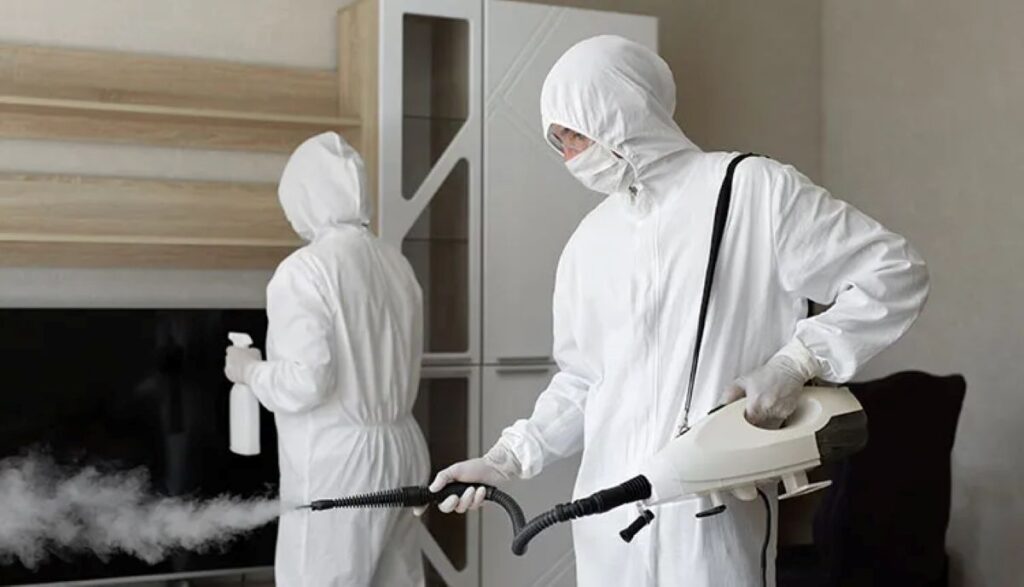
Professional pest control services extend throughout metropolitan Sydney, ensuring homeowners across the region can access expert protection. Licensed technicians operate in suburbs spanning from the city centre to outer metropolitan zones, covering both established neighbourhoods and rapidly growing residential developments.
Coverage Across Key Suburban Regions
- Kellyville – Rapid residential development in this Hills District suburb requires proactive pest management for new and established homes
- Rouse Hill – Growing family neighbourhoods benefit from comprehensive treatments addressing ants, cockroaches, and seasonal spider activity
- Northern Beaches – Coastal properties face unique challenges from moisture-loving pests including silverfish, cockroaches, and mould growth
- Inner West – Dense urban housing requires specialised approaches for bed bugs, German cockroaches, and rodent control
- Eastern Suburbs – Established homes need regular termite inspections and preventative treatments against persistent ant colonies
Service providers maintain local knowledge of pest behaviour patterns specific to each region’s climate, housing types, and environmental conditions. This geographical expertise allows technicians to recommend treatment schedules aligned with seasonal pest activity in different metropolitan zones.
Accessibility remains a priority, with same-day or next-day appointments available across most suburbs. Mobile service units equipped with professional-grade equipment travel to residential properties, eliminating the need for homeowners to transport pest samples or visit physical offices.
Specific Pest Control Services in Selected Areas
Campbelltown
Campbelltown pest services reach homes throughout the southwestern corridor, addressing pest challenges unique to this area’s mix of suburban housing and bushland interfaces. The region’s proximity to natural habitats increases exposure to native spiders, rodents, and termites, making regular professional treatments essential for property protection.
Penrith
Penrith rodent control specialists serve the western suburbs where residential areas meet agricultural zones and waterways. These environmental factors create ideal conditions for mouse and rat populations, particularly during seasonal temperature changes. Technicians in this region employ targeted baiting systems and exclusion techniques suited to the area’s specific pest pressures.
How Does a Proactive and Preventative Approach Benefit Homeowners?
Proactive pest management Sydney strategies stop infestations before they start, saving homeowners thousands in potential damage and treatment costs. Early detection through regular monitoring identifies pest activity at its earliest stages, when elimination is simplest and least expensive.
What Makes Early Detection So Valuable?
Catching pests during initial entry prevents colonies from establishing themselves in wall cavities, roof spaces, or beneath flooring. A single termite spotted during a routine inspection can reveal a larger colony before structural damage occurs. Regular monitoring appointments create a timeline of your property’s pest activity, allowing technicians to spot unusual patterns immediately.
Digital monitoring systems track rodent movements 24/7, alerting professionals to new activity within hours rather than weeks. This technology transforms preventative home protection from periodic treatments into continuous surveillance.
How Does Prevention Compare to Reactive Treatment Costs?
Reactive pest control addresses established infestations, which require:
- Multiple treatment visits instead of single applications
- Stronger chemical concentrations to penetrate nesting areas
- Structural repairs from pest damage (termite-weakened timber, rodent-chewed wiring)
- Replacement of contaminated insulation or stored items
- Professional cleaning after severe cockroach or rodent infestations
Scheduled preventative treatments cost a fraction of emergency callouts. Seasonal packages spread costs across the year whilst maintaining constant protection against Sydney’s changing pest pressures.
What Health Benefits Come from Ongoing Protection?
Preventing pest establishment protects residents from allergens, pathogens, and stress. Cockroach droppings trigger asthma attacks, particularly in children. Rodent urine contaminates surfaces with harmful bacteria. Spider bites, whilst rare, pose serious risks when venomous species nest near living areas.
The answer includes safeguarding indoor air quality through mould prevention and eliminating pest waste before it accumulates. Homes under preventative plans maintain healthier environments year-round.
Why Does Continuous Monitoring Improve Living Comfort?
Knowing your home receives regular professional attention provides peace of mind that reactive approaches cannot match. Scheduled visits mean you’re never wondering whether pests are silently invading your space.
FAQs (Frequently Asked Questions)
What is residential pest control in Sydney and why is it important for homeowners?
Residential pest control in Sydney involves managing and eliminating common pests found in homes within the region’s climate and urban environment. It is crucial for homeowners to protect their properties from damage, maintain hygiene, and ensure a safe living environment by preventing infestations of pests such as ants, cockroaches, spiders, rodents, and termites.
Which are the most common pests found in Sydney homes?
Sydney homes commonly face infestations from kitchen ants including Argentine ants, German and Australian cockroaches, spiders like funnel-webs and redbacks, rodents such as mice and rats, as well as bed bugs, fleas, silverfish, wasps, bees, crickets, and moths. Awareness of these pests helps in effective management and prevention.
How do professional pest control services protect homes in Sydney?
Licensed pest control technicians conduct thorough inspections to identify pest types and infestation levels. They employ elimination methods including safe pesticides, traps, fumigation, alongside digital monitoring technologies to manage ongoing pest activity. Prevention strategies are also implemented to reduce future risks effectively.
What safety measures are used during residential pest control treatments?
Pest control companies in Sydney adhere to strict safety standards such as HACCP compliance to ensure treatments are safe for homeowners and pets. Certified professionals apply pest control products carefully to minimize health risks while effectively eliminating pests from residential properties.
Why are termite inspections and protection plans essential for Sydney homes?
Due to Sydney’s climate, termites pose a significant risk of structural damage to homes. Regular termite inspections enable early detection of infestations while protection plans provide ongoing prevention measures. These services help safeguard property integrity and reduce costly repairs caused by termite activity.
How do seasonal pest control packages provide year-round protection for Sydney residences?
Seasonal pest control packages are tailored treatments that address variations in pest activity throughout the year in Sydney. By scheduling targeted interventions each season, homeowners benefit from continuous protection against emerging pests, ensuring their homes remain comfortable and pest-free all year round.