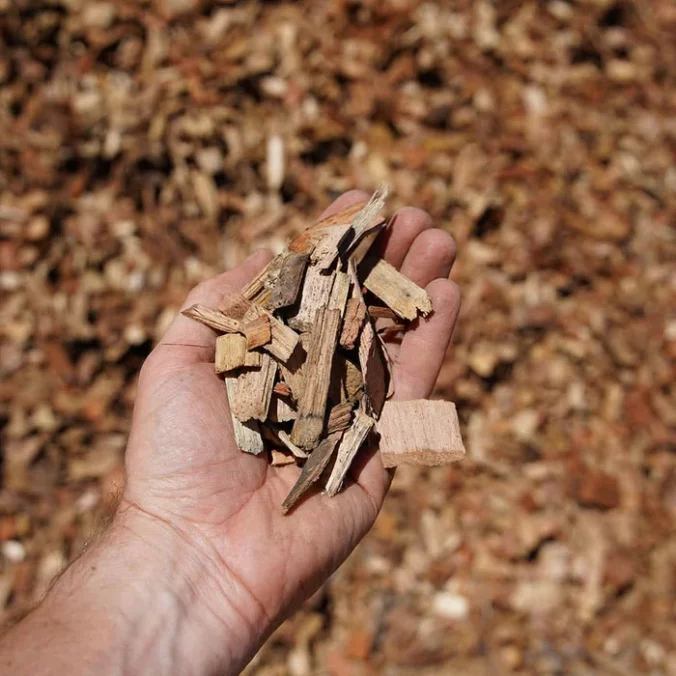
They should use wood chips instead of typical mulch when they want longer-lasting coverage, better moisture protection, and a more natural soil-building layer, especially around trees and shrubs.
What’s the real difference between wood chips and “mulch”?
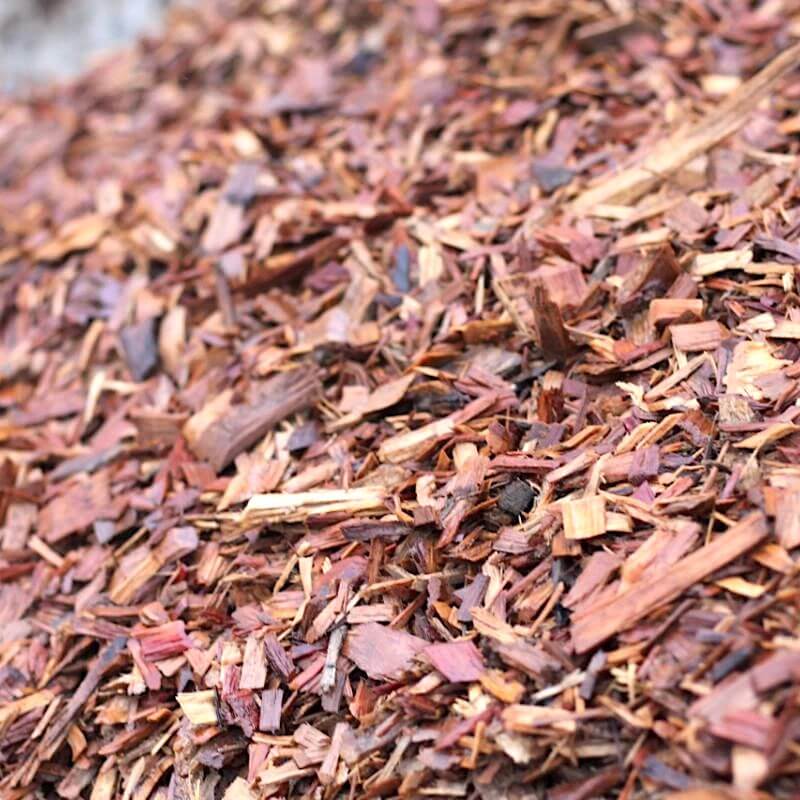
wood chips are larger, chunkier pieces of wood that break down slowly. Most bagged mulch is finer, more uniform, and often shredded bark or wood that can mat together.
Because chips have more air gaps, they drain and breathe better, while many shredded mulches can form a tighter layer that sheds water if applied too thickly.
When should they choose wood chips around trees and shrubs?
They should choose wood chips when planting or maintaining trees and shrubs, because chips mimic the forest floor and protect roots well. A coarse layer helps keep soil temperatures stable and reduces drought stress.
Wood chips also resist blowing away and typically need topping up less often than fine mulch, which can thin out or fade faster.
When are wood chips better for moisture control and heat protection?
They are a strong choice when the goal is to reduce watering and buffer soil from summer heat. A thick chip layer slows evaporation and keeps the root zone cooler.
This matters most in exposed beds, new plantings, and sandy soils where water drains quickly. Chips help those areas stay evenly moist without making the surface soggy.
When do wood chips beat mulch for weed suppression?
They are often better when weeds are persistent, because thicker, coarser layers block light effectively and are harder for weeds to push through. Chips also stay in place, so gaps do not open as quickly.
For best results, they should remove existing weeds first, then apply chips deeply enough to limit germination rather than relying on a thin “tidy” layer.
When should they avoid wood chips in flower beds?
They should avoid wood chips when a bed is frequently replanted, divided, or redesigned, because chips get in the way during digging. The larger pieces also look rougher next to small annuals and can make precise edging harder.
In those cases, a finer mulch can be easier to spread, rake back, and refresh without dragging chunks into planting holes.
When are wood chips a smarter pick for pathways and informal areas?
They are a great fit for garden paths, play areas, and informal zones where comfort and drainage matter more than a polished look. Chips knit together over time and create a stable walking surface.
They should still expect periodic top-ups, especially in high-traffic routes, since chips compress and migrate outward with use.
How thick should they apply wood chips, and where should they keep them back?
They should apply wood chips about 2–4 inches deep for most landscape beds. Less than that breaks weed control and moisture benefits, and much more can limit oxygen near the surface.
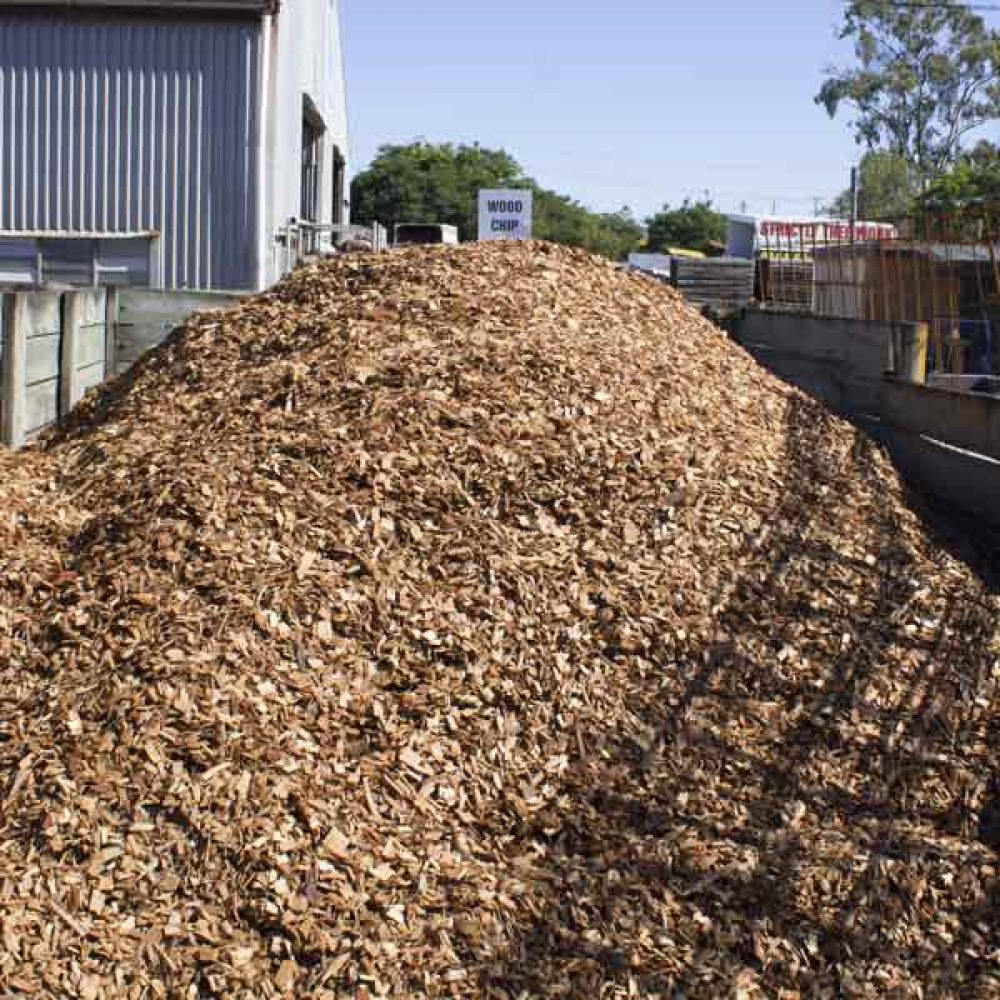
They should keep chips a few inches away from stems and trunks. Piling chips against bark can trap moisture and invite rot, insects, and disease, especially when it forms a mound around a tree base. Learn more about wood mulch: 6 benefits for soil health.
Do wood chips “steal nitrogen,” and should they worry?
They generally should not worry when chips stay on the surface, because nitrogen tie-up happens mainly where wood is mixed into soil. The microbial activity is strongest at the soil-chip boundary, not throughout the root zone.
If they are planting into a chipped bed, they can add compost in the planting hole or feed with a light, balanced fertilizer if growth looks pale. Most established shrubs and trees do fine without extra steps.
What’s the bottom line on using wood chips instead of mulch?
They should use wood chips instead of typical mulch when they are mulching trees, shrubs, and low-maintenance beds, or when they want long-lasting moisture control and strong weed suppression. They should skip chips when they need a refined look, frequent replanting, or a very uniform finish.
If they want one simple rule: choose wood chips for durability and soil-building, and choose finer mulch for presentation and easy bed maintenance.
FAQs (Frequently Asked Questions)
What is the difference between wood chips and typical mulch?
Wood chips are larger, chunkier pieces of wood that break down slowly, providing better air gaps for drainage and breathability. Typical mulch is finer, often shredded bark or dyed wood, which can mat together and shed water if applied too thickly.
When should I use wood chips around trees and shrubs?
Use wood chips when planting or maintaining trees and shrubs because they mimic the forest floor, protect roots well, keep soil temperatures stable, reduce drought stress, resist blowing away, and require less frequent topping up compared to fine mulch.
How do wood chips help with moisture control and heat protection?
A thick layer of wood chips slows evaporation, keeps the root zone cooler, and helps maintain even moisture levels. This is especially beneficial in exposed beds, new plantings, and sandy soils where water drains quickly.
Are wood chips effective for weed suppression?
Yes, wood chips are often better for persistent weeds because their thicker, coarser layers block light effectively and are harder for weeds to push through. They also stay in place longer, preventing gaps that allow weed growth.
When should I avoid using wood chips in flower beds?
Avoid wood chips in flower beds that are frequently replanted, divided, or redesigned because the larger pieces can interfere with digging and look rough next to small annuals. Finer mulch is easier to spread and refresh in these situations.
How thick should I apply wood chips and where should I keep them away from plants?
Apply wood chips about 2–4 inches deep to ensure weed control and moisture benefits without limiting oxygen. Keep the chips a few inches away from stems and trunks to prevent moisture trapping that can cause rot, insects, and disease.