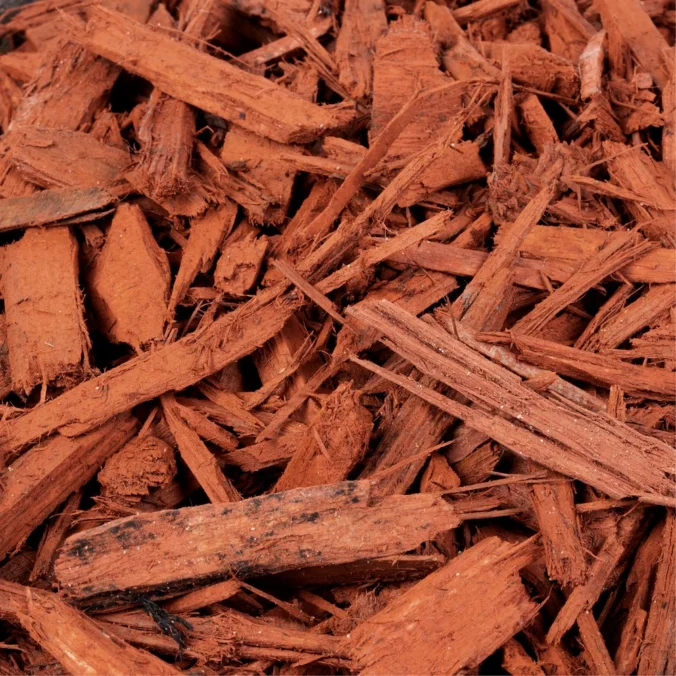
Below are six soil-health benefits that make wood mulch worth considering in gardens, landscapes, and around trees.
How does wood mulch help soil hold moisture?
wood mulch reduces evaporation by shading the soil surface and buffering it from wind and direct sun. That means the soil stays evenly damp for longer, which helps roots grow deeper instead of chasing quick surface water.
With steadier moisture, soil microbes stay active, and plants typically experience fewer drought swings. They often find they can water less frequently, especially during hot, dry weeks.
How can wood mulch regulate soil temperature?
Wood mulch acts like insulation. It keeps soil cooler during summer heat and reduces rapid temperature drops during cold nights.
This matters because roots and beneficial microbes perform best in stable conditions. When soil temperatures swing less, plants usually show more consistent growth, and tender root tips are less likely to get stressed by heat spikes.
How does wood mulch reduce erosion and soil compaction?
Mulch softens the impact of heavy rain, so soil particles are less likely to splash, crust, or wash away. It also slows runoff, giving water more time to soak in.
Over time, they may notice less surface sealing and fewer hard, compacted spots. That creates better pore space for air and water, which supports stronger root development and healthier soil structure.
How does wood mulch feed soil life and increase organic matter?
As wood mulch breaks down, it becomes food for fungi, bacteria, and other decomposers. Their activity gradually turns mulch into organic matter that improves soil texture and nutrient-holding capacity.
In many soils, fungi play a key role in cycling nutrients and building stable aggregates. Wood-based mulches tend to support fungal networks, which can be especially helpful around trees, shrubs, and perennial beds.
How does wood mulch support better nutrient cycling?
Wood mulch does not act like a fast fertilizer, but it supports the system that makes nutrients available. As decomposers process the material, nutrients are released slowly and soil chemistry becomes more balanced over time.
They may also see fewer nutrients lost to runoff because mulch reduces water flow across the surface. In practical terms, this often means steadier plant growth and less reliance on frequent feeding.
How can wood mulch suppress weeds without harming soil?
A properly applied mulch layer blocks light, making it harder for many weed seeds to germinate. It also makes any weeds that do appear easier to pull because the soil underneath stays looser and more moist.
Unlike plastic barriers, wood mulch improves soil as it ages. They get weed pressure reduction while still allowing water infiltration and gas exchange, which protects soil biology.
What is the best way for them to apply wood mulch for soil health?
For most beds, they should aim for a 2–4 inch layer, keeping mulch a few inches away from stems and trunks to reduce rot and pest issues. Around trees, they should avoid “mulch volcanoes” and instead create a wide, flat ring.
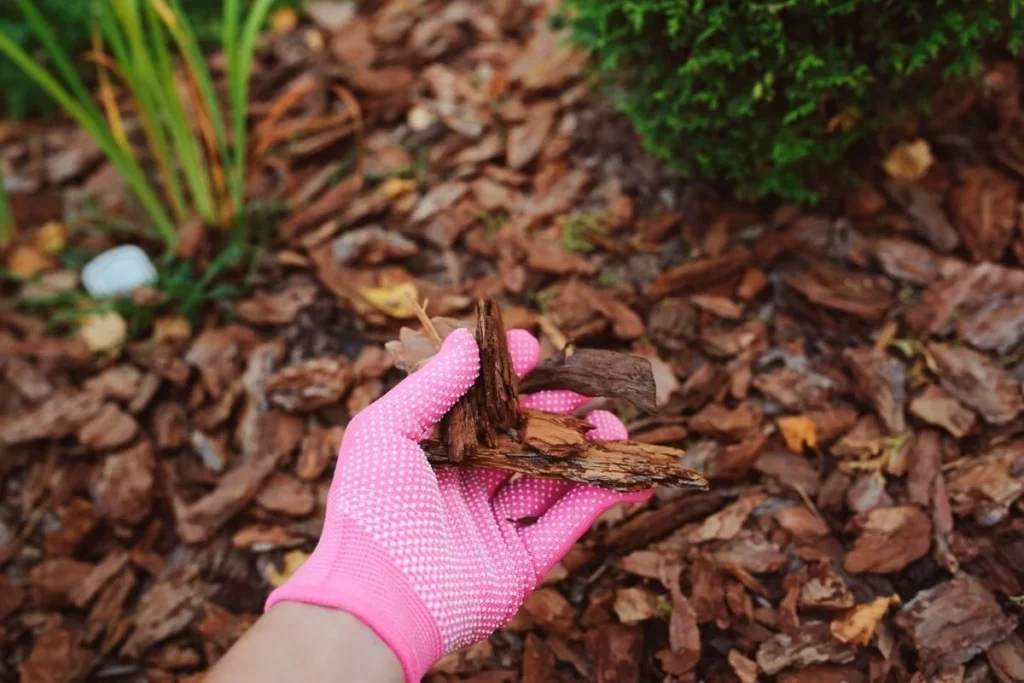
They will usually get the best results when mulch is applied on top of existing soil, not mixed in deeply. If they want to improve soil faster, they can top up annually as the layer decomposes and thins. Learn more about wood chips: when should you use them instead of mulch?
Which wood mulch types tend to work best?
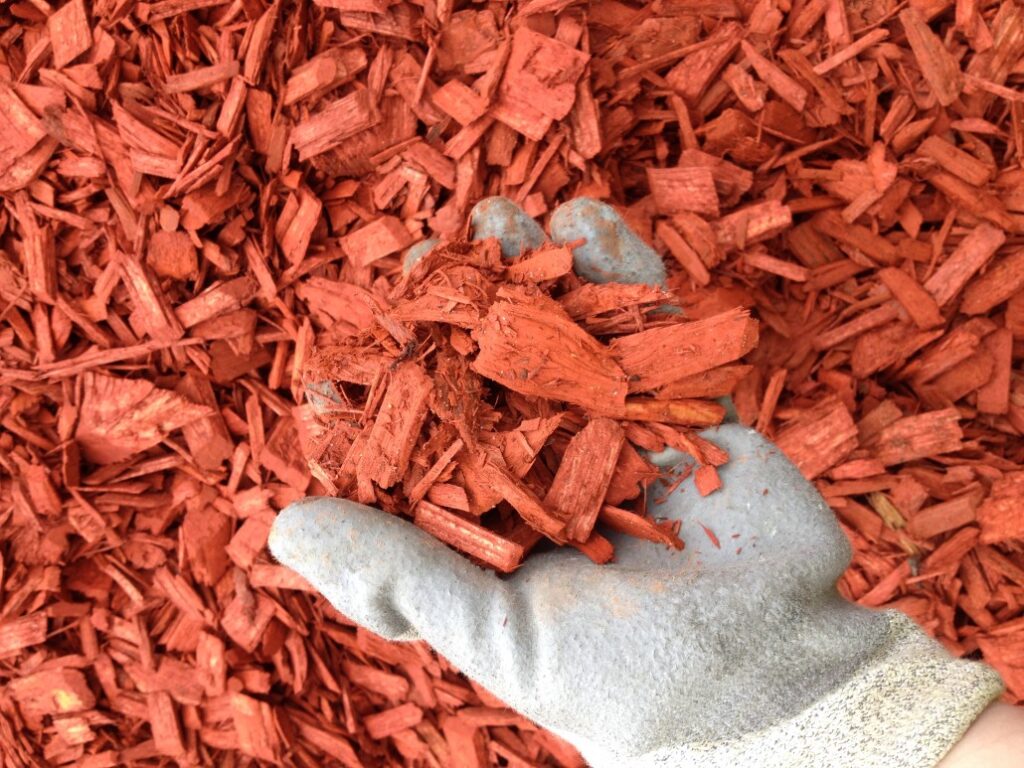
Arborist wood chips, shredded bark, and mixed hardwood chips are common choices. Coarser chips often last longer and resist matting, while very fine mulch can pack down and shed water if it becomes too dense.
If they are mulching vegetable beds, they may prefer aged wood chips or partially composted material for easier management. For trees and shrubs, fresh arborist chips are often a strong option because they break down gradually and support fungal life.
FAQs (Frequently Asked Questions)
How does wood mulch help improve soil moisture retention?
Wood mulch reduces evaporation by shading the soil surface and buffering it from wind and direct sun. This keeps the soil evenly damp for longer periods, encouraging roots to grow deeper instead of relying on quick surface water. Steadier moisture also keeps soil microbes active and allows plants to experience fewer drought swings, often reducing the need for frequent watering during hot, dry weeks.
In what ways does wood mulch regulate soil temperature?
Wood mulch acts as an insulating layer that keeps soil cooler during summer heat and reduces rapid temperature drops during cold nights. This temperature stability benefits roots and beneficial microbes, promoting consistent plant growth and protecting tender root tips from stress caused by heat spikes.
How does wood mulch contribute to reducing soil erosion and compaction?
By softening the impact of heavy rain, wood mulch prevents soil particles from splashing, crusting, or washing away. It slows runoff, allowing more water to soak into the ground. Over time, this leads to less surface sealing and fewer compacted spots, creating better pore space for air and water which supports stronger root development and healthier soil structure.
What role does wood mulch play in feeding soil life and increasing organic matter?
As wood mulch breaks down, it serves as food for fungi, bacteria, and other decomposers. Their activity gradually transforms the mulch into organic matter that improves soil texture and nutrient-holding capacity. Wood-based mulches particularly support fungal networks crucial for nutrient cycling and building stable soil aggregates around trees, shrubs, and perennial beds.
Can wood mulch aid in nutrient cycling without acting as a fast fertilizer?
Yes. While wood mulch doesn’t provide nutrients quickly like fertilizers, it supports the natural system that makes nutrients available. Decomposers slowly release nutrients as they process the material, balancing soil chemistry over time. Additionally, by reducing surface water flow, mulch minimizes nutrient loss through runoff, resulting in steadier plant growth with less need for frequent feeding.
How does wood mulch suppress weeds while benefiting the soil?
A properly applied layer of wood mulch blocks light from reaching weed seeds, making germination harder. It also keeps the soil underneath looser and moister, making any emerging weeds easier to pull out. Unlike plastic barriers, wood mulch enhances soil quality as it ages by allowing water infiltration and gas exchange, thereby protecting vital soil biology while reducing weed pressure.